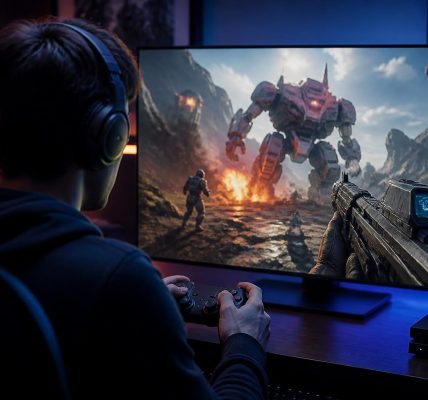
Cross-platform play has emerged as a transformative feature in modern gaming, breaking down the barriers between different gaming systems and devices. This innovative capability allows players to engage with one another regardless of whether they are on a console, PC, or mobile device, fostering a more inclusive and dynamic gaming environment. As this trend continues to gain traction, it reshapes not only how games are played but also how communities are built around them.
Understanding Cross-Platform Play and Its Importance
At its core, cross-platform play refers to the ability for players on different gaming platforms to play together in the same game environment. This feature is particularly significant in multiplayer games, where it can enhance competition and collaboration. Traditionally, players were confined to their specific platforms, which limited their ability to connect with friends and other gamers. However, with the rise of cross-platform capability, this limitation is rapidly diminishing.
The importance of cross-platform play lies in its potential to unify gaming communities. By enabling players to connect regardless of their chosen device, developers can cultivate a larger player base. This allows for more vibrant interactions, larger matchmaking pools, and ultimately a richer gaming experience. It promotes social connectivity and helps to establish friendships that may not have otherwise developed in a segmented gaming world.
Technical Considerations for Implementing Cross-Platform Play
Integrating cross-platform play into a game is no simple feat. It requires careful consideration of various technical aspects, such as server architecture and matchmaking algorithms. Game developers must ensure that performance is consistent across different platforms, addressing discrepancies in hardware capabilities that could otherwise skew gameplay. Additionally, maintaining a level playing field is crucial; developers must consider weapon balancing or control schemes that might differ between a console and PC player.
One solution to these challenges involves dedicated servers that are optimized for cross-platform interactions. These servers can manage player connections in real-time, balancing loads and ensuring that players on different devices can interact seamlessly. Also, game engines that support cross-platform features, like Unreal Engine and Unity, provide developers with essential tools to facilitate this integration. Furthermore, as gaming technology evolves, there are increasingly more resources available to help developers overcome these obstacles.
Impact on Esports and Competitive Gaming
The rise of cross-platform play has profound implications for the esports landscape. Competitive gaming has historically been divided along platform lines, but with the adoption of cross-platform functionality, the arena is evolving. Tournaments can now feature mixed-platform competitions, allowing players from all backgrounds to compete against one another.
This shift opens up new opportunities for talent discovery and audience engagement. Players who may have previously been excluded due to their platform of choice can now participate in high-stakes competitions. Spectators benefit from diverse matchups that include a wider range of skill sets and play styles. Notably, games like Fortnite and Call of Duty: Warzone have successfully implemented cross-platform play in their competitive scenes, showcasing how these tournaments can thrive in an inclusive setting. For more on this topic, see luxury777.
Popular Games Featuring Cross-Platform Play
Several popular titles have embraced cross-platform play, demonstrating its growing importance in the gaming industry. Games such as Apex Legends, Rocket League, and Minecraft have set benchmarks for successful cross-platform integration. These games not only allow players across different devices to connect but also foster a sense of community among their users.
Beyond traditional multiplayer experiences, cross-platform play has also influenced the mobile gaming sector. For example, titles like Genshin Impact enable players to continue their adventures on mobile devices while switching to PC, ensuring that progress is never lost. This adaptability meets the demands of modern players who often juggle multiple devices and want a seamless gaming experience. Furthermore, the growth of mobile gaming has led to innovations in cross-platform technology, as developers seek to maintain competitive parity between devices.
The Future of Cross-Platform Play
As the gaming landscape continues to evolve, the future of cross-platform play looks promising. Increasingly, major gaming companies are recognizing the value of this feature and are actively working to implement it in their titles. The ongoing push for inclusivity will likely lead to more institutions and gaming communities advocating for cross-platform functionality as a standard rather than an exception.
In addition, advancements in cloud gaming technology may further enhance cross-platform capabilities. As players access games via the cloud, the need for specific hardware will diminish, allowing for an even more unified gaming experience. This could help in creating a future where device limitations are virtually eliminated, making cross-platform interactions the norm.
Moreover, the importance of community cannot be overstated. Cross-platform play encourages collaboration and interaction among players, leading to a more inclusive and diverse gaming culture. As the industry continues to foster these connections, we are likely to see an even greater emphasis on community-driven gaming experiences that transcend device boundaries.
In conclusion, cross-platform play is enhancing gaming experiences across devices, enriching multiplayer interactions and broadening the gaming community. As technology progresses and gaming culture embraces inclusivity, this feature is set to become a cornerstone of the gaming world, ensuring that all players can connect, compete, and collaborate no matter their platform of choice. The path forward appears bright for gamers eager to engage with one another, with cross-platform play paving the way for a more interconnected future.